
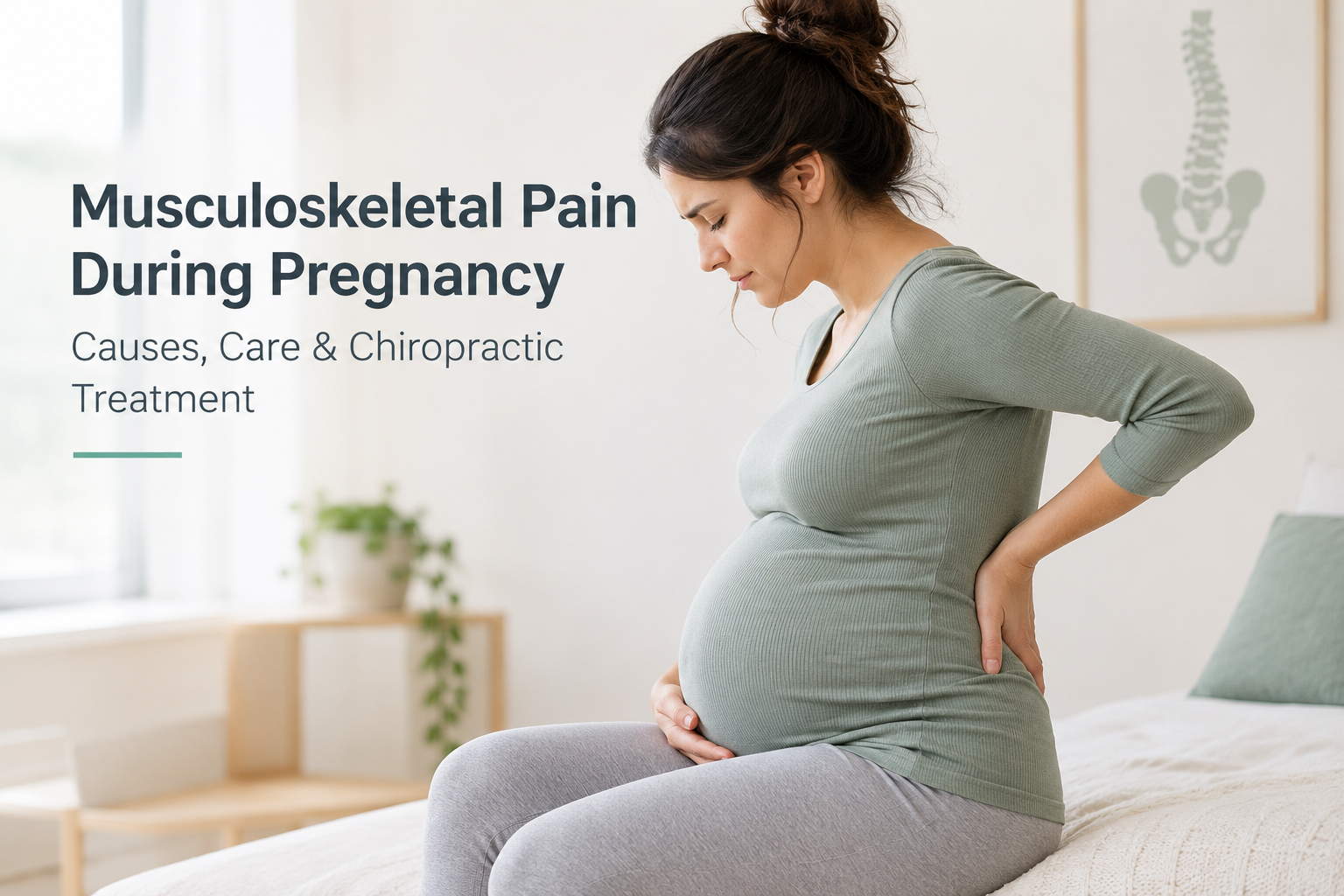
Musculoskeletal Pain During Pregnancy: Causes, Care & Chiropractic Treatment
Musculoskeletal Pain During Pregnancy: Causes, Care & Chiropractic Treatment
Pregnancy changes how the body carries weight and supports movement. Back and pelvic discomfort, hand symptoms, and leg cramps are common, but persistent or severe pain deserves assessment. This guide explains common musculoskeletal conditions, practical care options, and symptoms that require prompt medical attention.
Care should reflect the stage of pregnancy, the diagnosis, and any obstetric complications. Discuss new symptoms and treatment plans with your prenatal care team. This information supports, rather than replaces, an individualized examination.
Medically reviewed by Dr. Shahed Sadr, D.C. | Updated October 2026
Lower Back Pain
Symptoms and contributing factors
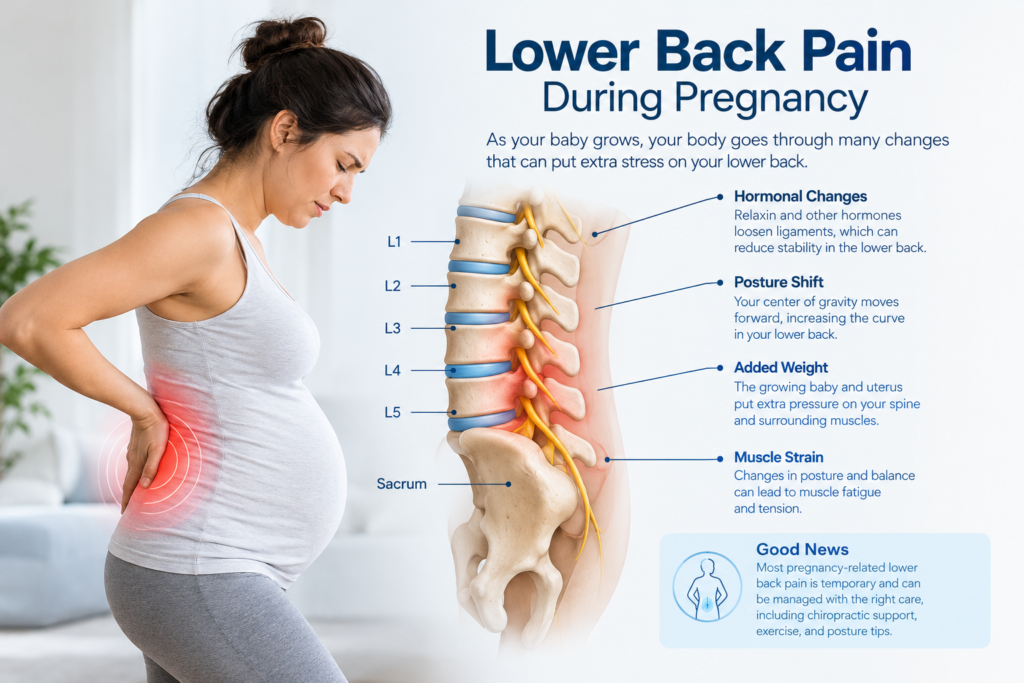
Pain may occur across the lower back and worsen with prolonged standing, lifting, or other activities. As the uterus enlarges, weight distribution changes and the abdominal muscles stretch. Hormonal changes also affect the ligaments supporting the pelvis. These changes can increase the demands on the back. Weight gain and changes in spinal curvature vary between individuals. [1, 2]
Treatment and prevention
- Use comfortable, supported positions and change position regularly. Avoid remaining in one posture for long periods.
- Wear supportive, low-heeled shoes. When lifting, bend at the hips and knees, keep the object close, and avoid twisting or heavy loads.
- Try side-lying with pillows between the knees and, if helpful, beneath the abdomen.
- If there are no exercise restrictions, remain active with tolerable activities such as walking or swimming. A clinician can adapt strengthening, stretching, and gentle pelvic tilt exercises to your symptoms.
- A fitted maternity support belt, physical therapy, or brief use of a wrapped warm or cold pack may help. Avoid burns, overheating, and prolonged bed rest. [1, 2]
Back pain often improves after birth, but recovery varies. Persistent symptoms need reassessment. Pain extending into a leg, especially with weakness or numbness, requires evaluation for nerve involvement. A disc finding alone does not determine treatment or the method of delivery; these decisions require individualized clinical assessment. See the urgent symptoms on page 5. [2, 14]
Pelvic Girdle Pain
Pelvic girdle pain can involve the sacroiliac joints at the back of the pelvis or the pubic symphysis at the front. Pain may extend into the groin, hips, or thighs. Walking, stairs, standing on one leg, and rolling in bed can aggravate symptoms. Prior back pain, pelvic injury, or joint hypermobility may increase susceptibility. [3]
The causes are multifactorial. Changes in loading, movement, and pelvic support can contribute; pain should not automatically be attributed to a single hormone or to joints being “out of alignment.” An examination helps distinguish pelvic girdle pain from hip disorders, nerve symptoms, and obstetric causes. [3, 4]
Management
- Stay active within comfortable limits and take regular breaks. Reduce activities that reliably worsen pain.
- Sit while dressing, distribute weight evenly when standing, and keep the knees together when turning in bed if this is more comfortable.
- Use pillows for support during side-lying. Avoid repeated heavy lifting and painful twisting.
- Seek an individualized rehabilitation plan. Options may include exercises, a pelvic support belt, and gentle manual therapy from a practitioner experienced in pregnancy. [3, 4]
Most people with pelvic girdle pain can have a vaginal birth. Pelvic girdle pain alone usually does not require cesarean delivery. Discuss comfortable labor positions and mobility needs with the maternity team. [3]
Hand and Wrist Pain
Carpal tunnel syndrome occurs when the median nerve is compressed at the wrist. Pregnancy-related fluid retention can contribute. Tingling and numbness typically affect the thumb, index and middle fingers, and the thumb-side half of the ring finger. Symptoms often worsen at night and may affect grip. They can develop during pregnancy and sometimes persist after delivery. [5, 11]
De Quervain’s tenosynovitis affects the tendons and their sheath on the thumb side of the wrist. It causes pain with thumb movement or gripping and may occur during pregnancy or while caring for a baby. Its causes are not fully understood. [6]
Management
- Reduce sustained gripping and repeated painful movements; take breaks and adjust hand positioning.
- A neutral wrist splint at night may help carpal tunnel symptoms. Thumb-side tendon pain may need a splint supporting both the wrist and thumb.
- Seek guidance on gentle exercises and activity changes. Persistent numbness, worsening weakness, or difficulty holding objects warrants reassessment. Discuss medications or injections with the treating clinician and prenatal team. [5, 6]
Muscle Cramps
Leg cramps are sudden, painful muscle contractions, often in the calves or feet and commonly at night. The cause during pregnancy is not always clear. Cramps should not automatically be interpreted as evidence of a magnesium, calcium, or potassium deficiency. [7]
Relief and prevention
- For a typical calf cramp, gently straighten the knee and draw the toes toward the shin. Avoid forceful stretching.
- Regular gentle ankle and leg movements and comfortable stretching may help. Gentle rubbing can ease an ordinary cramp. [7]
- Discuss recurrent or severe cramps with your prenatal clinician. Do not start mineral supplements specifically for cramps without advice; treatment should reflect nutritional needs and any identified deficiency. Evidence for supplements as a routine treatment for pregnancy cramps remains uncertain. [18]
Pain accompanied by swelling, warmth, or redness in one leg needs urgent assessment for a blood clot. Do not assume it is a cramp or massage the affected leg. Chest pain or sudden breathlessness requires emergency care. [15]
Transient Osteoporosis of the Hip
Transient osteoporosis of the hip is a rare condition involving temporary loss of bone density in the upper femur. It can occur in late pregnancy or after birth. Hip or groin pain may worsen with standing or walking and can become severe. The exact cause is unknown. [8]
Because weakened bone is more vulnerable to fracture, new severe hip pain or difficulty bearing weight requires prompt assessment. MRI can help evaluate the hip and distinguish this condition from other causes of pain. [8]
Management
Care may include reducing weight bearing with crutches or another aid, pregnancy-appropriate pain management, and carefully prescribed rehabilitation. Adequate nutrition and calcium and vitamin D intake should be reviewed with the treating team. Avoid high-impact activity and forceful treatment of an affected joint. Recovery typically takes months. [8]
Decisions about bone testing should be based on an individual medical assessment.
Abdominal Muscle Separation
Diastasis recti describes widening between the two rectus abdominis muscles as the connective tissue between them stretches. It is common during pregnancy and may remain after delivery. It is not necessarily painful or a sign that the muscles are permanently damaged. A midline bulge may become more noticeable during effort. [9]
Rehabilitation
- Ask a pelvic health physical therapist to assess abdominal function if separation, discomfort, or weakness persists.
- Begin with appropriate deep abdominal and pelvic floor exercises, coordinated with comfortable breathing, and progress gradually.
- Modify exercises that cause pain, marked bulging, or straining. Avoid rushing into demanding abdominal exercises or heavy lifting early in recovery.
Discuss a persistent visible gap at about eight weeks postpartum with your clinician. Pain, urinary leakage, or breathing symptoms deserve their own assessment rather than automatically being attributed to diastasis recti. [9]
Chiropractic and Manual Care During Pregnancy
Chiropractic care addresses musculoskeletal function and may include education, exercise, soft-tissue techniques, mobilization, or spinal manipulation. Gentle manual therapy may be one component of care for selected patients with pregnancy-related back or pelvic pain. Treatment should follow an assessment and be coordinated with prenatal care when appropriate. [3, 10]
Safety and benefit depend on the diagnosis, technique, treatment site, and individual health factors. Research on spinal manipulation specifically during pregnancy is limited. Rare reports of serious harm do not establish that every technique is safe. Discuss the expected benefits, risks, and alternatives with the treating practitioner and prenatal clinician. [10]
Care should focus on assessed musculoskeletal symptoms and function, with obstetric concerns managed by the maternity team.
Vaginal bleeding, severe or unexplained abdominal or pelvic pain, suspected preterm labor, or other signs of pregnancy complications require medical assessment before musculoskeletal treatment. Known high-risk pregnancy conditions require coordination with the obstetric team. [2, 16]
Tests and Physical Treatments During Pregnancy
A treatment or test should be selected for a clear clinical reason. “Noninvasive” or “drug-free” does not automatically mean safe, and pregnancy does not automatically prohibit necessary diagnostic testing.
Diagnostic tests
- Ultrasound imaging and MRI do not use ionizing radiation and are preferred when they can answer the clinical question. Clinically indicated noncontrast MRI may be used during pregnancy, including the first trimester. Gadolinium contrast is generally limited to situations where its expected benefit justifies use. [12]
- X-rays and CT scans are not universally contraindicated. Most diagnostic exposures are below levels associated with fetal harm; necessary examinations should not be withheld solely because of pregnancy. The clinician and radiology team should select and optimize the appropriate study. [12]
- Electromyography and nerve conduction studies are generally considered safe when clinically indicated. They can help assess nerve symptoms; ordinary procedural risks and discomfort should still be discussed. [11]
Physical treatments
- Brief, mild local heat or a wrapped cold pack may help discomfort. Protect the skin and avoid overheating or sleeping with a heating device. [1, 14]
- TENS should be used during pregnancy only on advice from an appropriate clinician. Placement and settings matter; avoiding the abdomen alone does not establish safety. [13]
- Therapeutic ultrasound is different from diagnostic ultrasound. Electrical stimulation, therapeutic ultrasound, laser, and deep-heating treatments require modality-specific precautions and an individual risk assessment. Do not apply therapeutic energy over the pregnant uterus or begin these treatments without pregnancy-specific clinical guidance. [17]
When to Seek Urgent Care
Seek emergency care for back pain with new loss of bladder or bowel control, difficulty passing urine, numbness around the genitals or anus, or significant new leg weakness. Call emergency services for sudden breathlessness, chest pain, or collapse. [14, 15]
Contact your maternity team promptly for vaginal bleeding, fluid leakage, regular painful contractions, severe or persistent abdominal pain, or back pain with fever or painful urination. Sudden severe hip pain or inability to bear weight also needs urgent assessment. One-sided leg swelling and pain requires urgent evaluation for a blood clot. [2, 8, 15, 16]
Frequently Asked Questions About Musculoskeletal Pain During Pregnancy
What causes musculoskeletal pain during pregnancy?
Musculoskeletal pain during pregnancy can result from changes in weight distribution, increased demands on the back and pelvis, stretching of abdominal muscles, and changes in ligament support. Common problems include lower back pain, pelvic girdle pain, carpal tunnel syndrome, and muscle cramps. The cause and severity of symptoms vary from person to person.
Is chiropractic care safe during pregnancy?
Chiropractic care during pregnancy should be individualized based on the patient’s symptoms, health history, and stage of pregnancy. Some manual therapies may help selected patients with pregnancy-related back or pelvic pain, but research on spinal manipulation specifically during pregnancy is limited. Discuss potential benefits, risks, and alternatives with your chiropractor and prenatal care provider before starting treatment.
Can pregnancy-related back pain be treated by a chiropractor?
Some people experience relief from pregnancy-related back pain with individualized conservative care. Depending on the assessment, care may include education, appropriate exercises, soft-tissue techniques, or gentle manual therapy. Treatment should be adapted to the patient’s condition and coordinated with the prenatal care team when appropriate.
When should I seek medical attention for pain during pregnancy?
Seek urgent medical attention for severe or unexplained abdominal or pelvic pain, vaginal bleeding, fluid leakage, regular painful contractions, or other signs of pregnancy complications. Back pain accompanied by fever or painful urination also needs prompt assessment. Sudden shortness of breath, chest pain, or one-sided leg swelling and pain may indicate a serious condition requiring urgent care.
Can pelvic girdle pain affect childbirth?
Pelvic girdle pain does not usually prevent vaginal birth or automatically require a cesarean delivery. Many people with this condition can have a vaginal birth. Discuss comfortable labor positions, mobility needs, and any necessary adjustments with your maternity care team.
Need Support for Pregnancy-Related Pain?
Pregnancy-related musculoskeletal pain can affect your comfort and daily activities. At Witness Chiropractic, Dr. Shahed Sadr, D.C., can assess musculoskeletal concerns and discuss appropriate care options based on your individual needs and stage of pregnancy. Contact our office to learn more about your care options.
References
Sources checked October 19, 2026. Numbered references correspond to the citations in the text.
- ACOG — Back Pain During Pregnancy
- NHS — Back pain in pregnancy
- RCOG — Pelvic girdle pain and pregnancy
- NHS — Pelvic pain in pregnancy
- Royal Berkshire NHS — Carpal tunnel syndrome during pregnancy or after birth
- Gloucestershire Hospitals NHS — De Quervain’s syndrome of the wrist
- NHS — Common health problems in pregnancy
- AAOS OrthoInfo — Transient Osteoporosis of the Hip
- NHS — Your post-pregnancy body
- NIH NCCIH — Spinal Manipulation What You Need To Know
- Massey and Guidon — Peripheral Neuropathies in Pregnancy
- ACOG — Guidelines for Diagnostic Imaging During Pregnancy and Lactation
- NHS — TENS
- NHS — Back pain
- NHS — Deep vein thrombosis
- NHS — Stomach pain in pregnancy
- Houghton and colleagues — Electrophysical Agents Contraindications and Precautions
- Cochrane — Interventions for leg cramps during pregnancy